
A balanced home environment feels steady rather than strict: it supports rest without becoming dull, and it stays functional without looking cluttered. Balance shows up in the way a space flows, how easily you move through it, how quickly you can reset it, and how consistently it fits your daily routine. With a few simple decisions, you can make your home feel calmer and more “even,” without turning it into a long-term project.
Define What Balanced Means for Your Household
Before changing anything, decide what balance looks like for the people who actually live in the home. For some, it’s quiet corners and minimal visual distraction; for others, it’s warmth, color, and comfortable gathering spots. Think in terms of trade-offs: you might want an uncluttered kitchen counter more than a perfectly styled shelf, or you might prioritize a cozy bedroom over a formal living room. When you name your priorities, you stop copying other homes and start designing one that feels naturally easy to maintain.
Stabilize the Bedroom First to Support the Whole Home
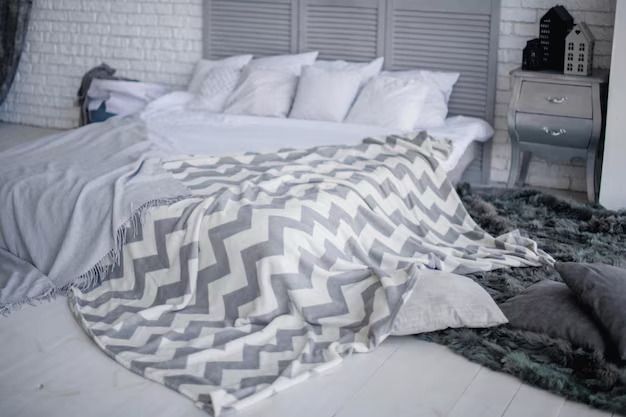
A balanced home is easier to create when sleep is protected, because good rest improves patience, focus, and follow-through on routines. Start by simplifying the bed setup so it’s easy to make and comfortable across temperature changes. If you’re updating what’s on top of the bed, you can save time by choosing a cohesive option from the best bedspreads online and building the rest of the room around that color and texture, rather than buying scattered pieces that don’t work together.
Build Zones That Prevent Everyday Overlap
Homes feel unbalanced when activities bleed into each other, work supplies on the couch, laundry on the dining chair, packages on the bed. Create clear zones: one spot where you handle paperwork, one spot where you charge devices, one spot where bags and shoes land, and one spot where relaxation is the only job. You don’t need extra rooms; you need boundaries that are obvious and convenient. When zones are clear, you spend less time moving piles around and more time actually using your space.
Choose Materials That Regulate Comfort, Not Just Style
Balance also means your home feels comfortable on the body, not only pleasing to the eye. Materials that breathe well, feel gentle, and hold up to frequent use reduce the “low-grade irritation” that can make a home feel off. In bedrooms and lounges especially, using soft cotton linen in high-contact areas can help the space feel calmer and more livable, because the texture supports comfort without requiring constant adjustment or extra fuss.
Use Color and Contrast to Keep Rooms Mentally Quiet
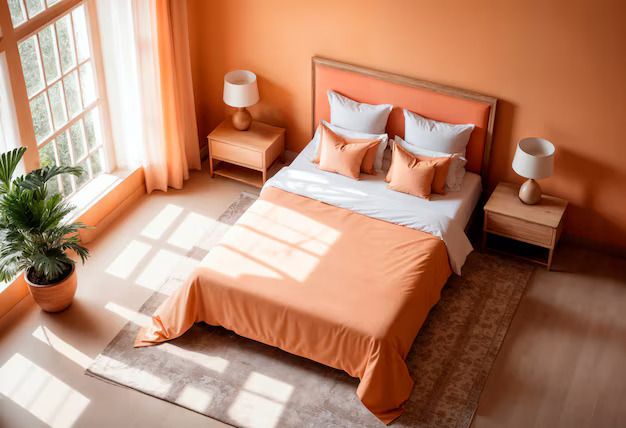
Color balance is about using contrast intentionally. Too much contrast can feel energizing or chaotic, while too little can feel flat. A helpful approach is to pick a calm base tone, then add a limited set of accents that repeat across the room; one darker anchor, one warm element, and one natural texture. Repetition creates stability, and stability reads as ease. When your eyes don’t have to “solve” the room, your mind settles faster after a busy day.
Create a Reset Routine That Takes Under Ten Minutes
The easiest homes to live in aren’t the ones that never get messy; they’re the ones that reset quickly. Design a daily routine that fits real life: a two-minute kitchen sweep, a quick trash and recycling pass, and a fast pickup of items back into their zones. Small habits beat big cleanups because they prevent the environment from tipping into overwhelm. The best part is that a short reset makes it easier to enjoy your home immediately, without feeling like you must earn relaxation first.
Style With Intent: Fewer Items, Better Placement
Styling for balance isn’t about filling space; it’s about choosing what deserves attention. Leave breathing room on shelves, keep walkways clear, and place comfort where you naturally pause by a seat, near a window, beside the bed. If you’re looking for stylish living ideas that don’t create clutter, focus on scale and spacing: one larger statement piece is often calmer than many small ones competing for attention. The room will feel more grounded, and it will also be easier to tidy.
Make One Room Feel Finished Before Moving On
Balance grows faster when you complete one area instead of half-doing five. Pick a room you use daily and aim for “good enough and consistent”: a clear landing spot for essentials, lighting that matches the mood, and surfaces that stay mostly open. Then maintain it for a week before starting another room. When you build a track record of one space staying stable, you gain confidence, and the house begins to feel more predictable overall. For practical room decor ideas, start with what changes your daily experience most, such as lighting, textiles, and storage that hides visual noise.
Conclusion
Creating a balanced home environment doesn’t require perfect taste or endless shopping; it requires decisions that reduce friction and support your routines. When you stabilize rest, set clear zones, choose comfortable materials, and keep resets short, your space becomes easier to live in and easier to enjoy. Aim for steady improvements you can maintain, and your home will start to feel naturally calm almost without effort.