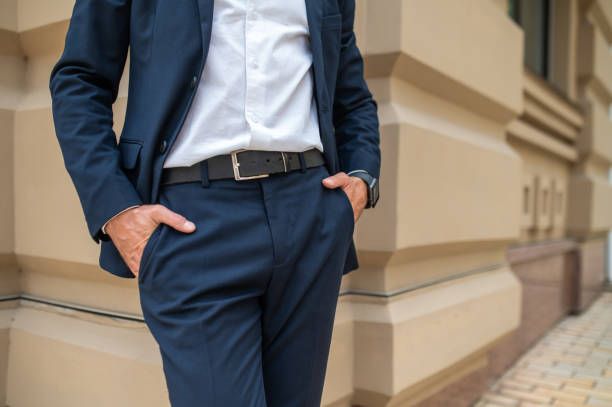
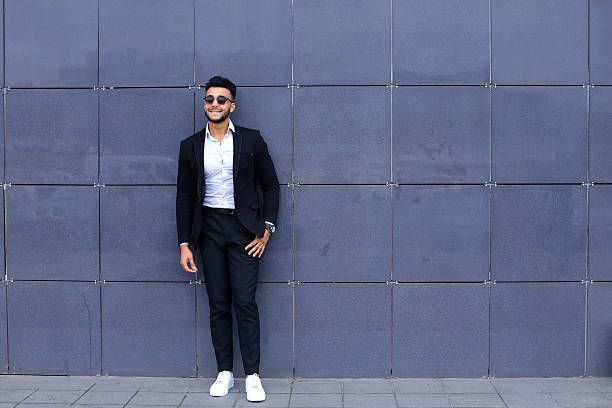
A formal pair of trousers is only as good as the fabric it’s made from. In India, where heat, humidity, monsoon dampness, and air-conditioned offices can all influence comfort in a single day, fabric selection becomes a practical decision, not just a style preference. The right cloth improves drape, keeps creases crisp, reduces discomfort during long hours of sitting, and extends the life of your pants through repeated wear and pressing. This guide explains the best fabrics for formal pants for Indian men, including how each performs across seasons, how to assess quality before buying, and how to balance polish with everyday comfort.
Fabric Over Fit Choices
A sharp cut can elevate your appearance, but fabric determines whether that tailored look lasts through the day. In Indian conditions, trousers often face long commutes, crowded public transport, and frequent temperature changes between outdoors and office interiors. Understanding the evolution of men’s clothing, from heavy, rigid fabrics to modern breathable and wrinkle-resistant materials, can guide you in selecting trousers that combine style with practicality.
Wool for Classic Formality
Wool is widely regarded as the gold standard for formal trousers because it combines refined drape with natural comfort, making it a dependable choice for stylish pants that still look professional. For Indian men, lightweight worsted wool and tropical wool are especially useful, as they are designed to breathe better in warm climates and feel smoother against the skin, and Mr Vastra flexi waist pants for men can complement this comfort-first approach while keeping the finish office-appropriate. Wool also tends to resist odour and recover from wrinkles better than many alternatives, which is helpful during long workdays.
Cotton for Daily Office
Cotton is a practical choice for everyday formalwear, particularly when you prefer a softer feel and better breathability in warm regions. Cotton twill is commonly used because its diagonal weave adds durability, reduces visible wrinkling compared to plain cotton, and still looks office-appropriate. Cotton satin weaves are smoother and can appear slightly dressier, though you should ensure the finish is subtle rather than shiny for conservative workplaces.
Linen for Hot Weather
Linen is excellent for ventilation and comfort, making it appealing during Indian summers and in humid cities. However, pure linen wrinkles quickly and can look relaxed, which may not suit strict formal settings. The smarter route is linen blends, linen mixed with cotton, viscose, or a small amount of synthetic fibre, which improves crease control while preserving breathability.
Polyester Mixes: Benefits and Limits
Polyester and poly-viscose trousers are popular because they are affordable, generally wrinkle-resistant, and easier to maintain than many natural fabrics. They often keep colour well, handle frequent wear, and are less demanding if you don’t want regular dry cleaning. Poly-viscose typically improves softness and drape compared to pure polyester, making it a better choice for formal trousers on a budget.
Stretch Blends for Comfort
Stretch formal fabrics have become a staple for men who want flexibility while maintaining a tailored appearance. These fabrics usually combine cotton, wool, viscose, or polyester with a small percentage of elastane to improve mobility and reduce tightness around the waist, hips, and thighs. For Indian work routines involving commuting, long sitting hours, or frequent travel, stretching can make a noticeable difference in all-day comfort.
Match Fabric to Season
India’s climate diversity makes seasonal thinking essential when choosing formal trouser fabric. In peak summer, lightweight wool, breathable cotton twill, and linen blends usually perform best. During monsoon months, humidity can make some fabrics feel heavy or limp, so wrinkle-resistant blends and quicker-drying materials may be more convenient for daily wear. In winter or cooler regions, medium-weight wool and heavier cotton provide better structure and a more substantial feel.
GSM Weave Finish Quality Guide
Two trousers can use the same fibre but behave very differently based on fabric weight, weave structure, and finishing. GSM (grams per square metre) indicates that lighter fabrics breathe better but may crease more, while heavier fabrics drape strongly but can feel warmer. Weave matters too: worsted weaves look clean and formal, twills add strength and texture, and looser weaves may feel airy but lose sharpness. To avoid common office style mistakes, such as selecting fabrics that wrinkle easily or lose shape quickly, pay attention to finishes like crease resistance, stain repellence, and softer hand feel, which can improve practicality.
Comfort and Waist Performance
Formal pants should maintain comfort at the waist and seat, where most pressure and movement occur throughout the day. Fabric quality contributes directly to durability. Better cloth resists pilling, reduces friction wear, and keeps seams stable. Choosing trousers with better drape, mild stretch, and thoughtful construction can improve day-long wearability. In this context, designs like Mr Vastra flexi waist pants for men align with practical needs by supporting comfort while still aiming to preserve a formal look.
Practical Buying Checklist
To choose the best fabric, begin with your primary use case: daily office wear, formal events, travel-heavy schedules, or occasional use. Wool is a top choice for premium formality and drape, cotton works well for breathable daily wear, linen blends are ideal for summer comfort, and poly-viscose offers easy maintenance at a lower cost.
This blog features a curated mix of lifestyle topics and creative cultural insights. You can explore these blogs. From nostalgic memories to modern trends, the content blends style and inspiration in every post.
Conclusion
Selecting the best fabric for formal pants is about matching comfort, climate suitability, and professional appearance. Indian men benefit most from fabrics that balance breathability and structure, lightweight wool for refined drape, cotton twill for reliable daily wear, linen blends for summer heat, and carefully chosen blends for easy maintenance. Pay attention to weave, GSM, and finish, because these details often determine whether trousers look crisp all day or lose shape quickly. When you choose fabric thoughtfully and pair it with good tailoring, your formal pants will not only look sharper but also feel significantly more comfortable across long workdays and varied Indian weather conditions.